Skip to content

Restaurants & cafés

Marketing for restaurants starts on the table

A restaurant already has the one thing most businesses pay for: a few hundred people a week sitting down with their phones out. This guide covers the promotions that convert that attention into a contactable rewards list, and exactly how to configure each of them.

Video poster: the interior of a bright independent restaurant at lunchtime
Video in production

Restaurant promotions in six minutes

A walkthrough of the tabletop QR card, a scratch-and-win build, and the Tuesday-night flash promotion that follows it.

Planned runtime 6 min. The written walkthrough below covers the same ground.
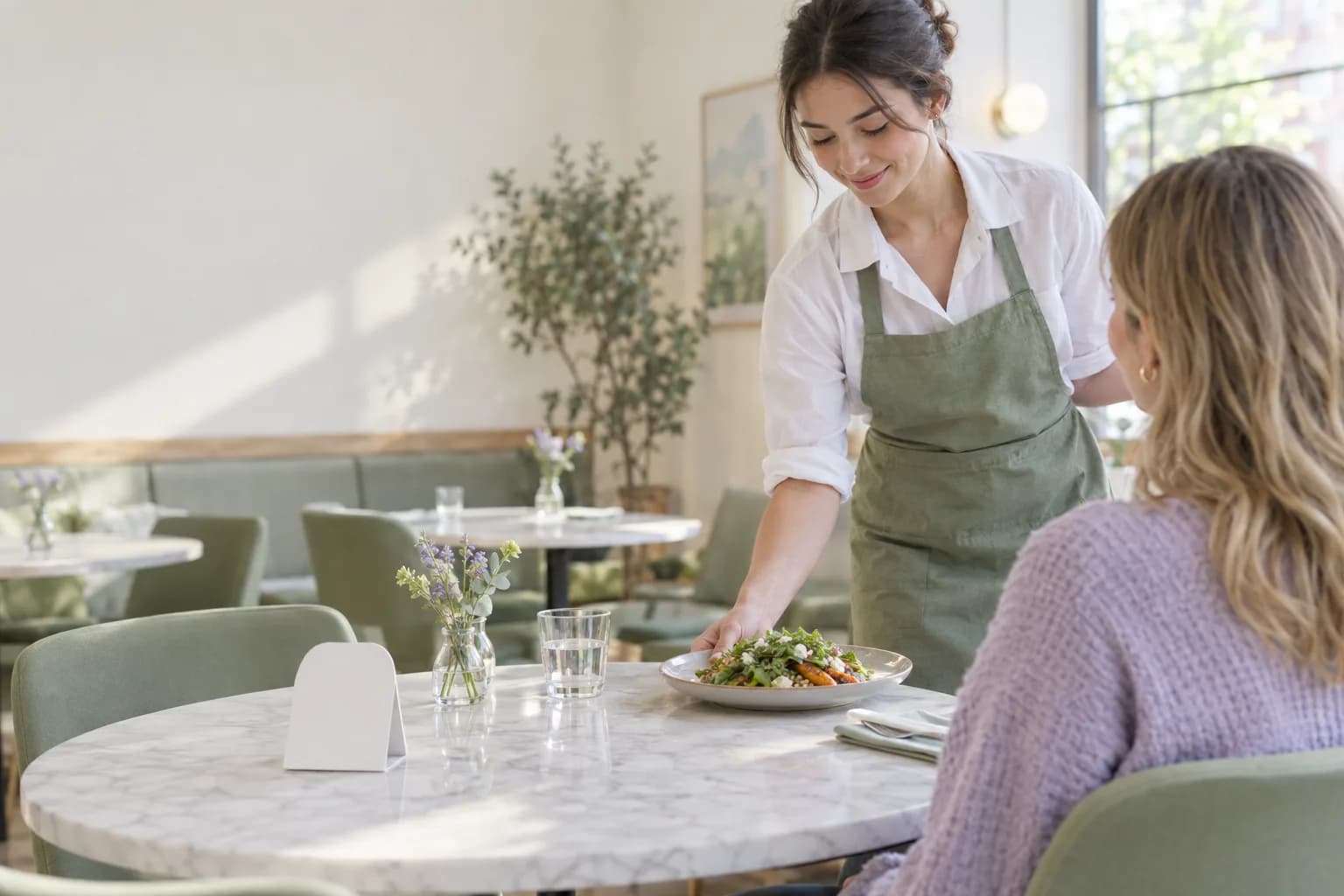
A server placing a plate on a marble table in a bright independent restaurant, with a small white tabletop card in the foreground

The problem

The problem is not traffic, it is memory

Most independent restaurants have no idea who ate there last month. The card reader knows, vaguely; the delivery platform knows and will not tell you. So every quiet Tuesday starts from zero and the only lever left is a discount shouted at strangers on social media.

The fix is unglamorous: collect a contactable, consented list of the people who already chose you once, then give them a reason to come back on the nights you need them. A tabletop card and a promotion worth claiming does that without a single extra staff conversation.

What to run

Promotions that work for restaurants, and how to set them up

In launch order. Each one links to the full promotion-type page, and the setup notes are the actual settings to enter in the builder.

Step 1

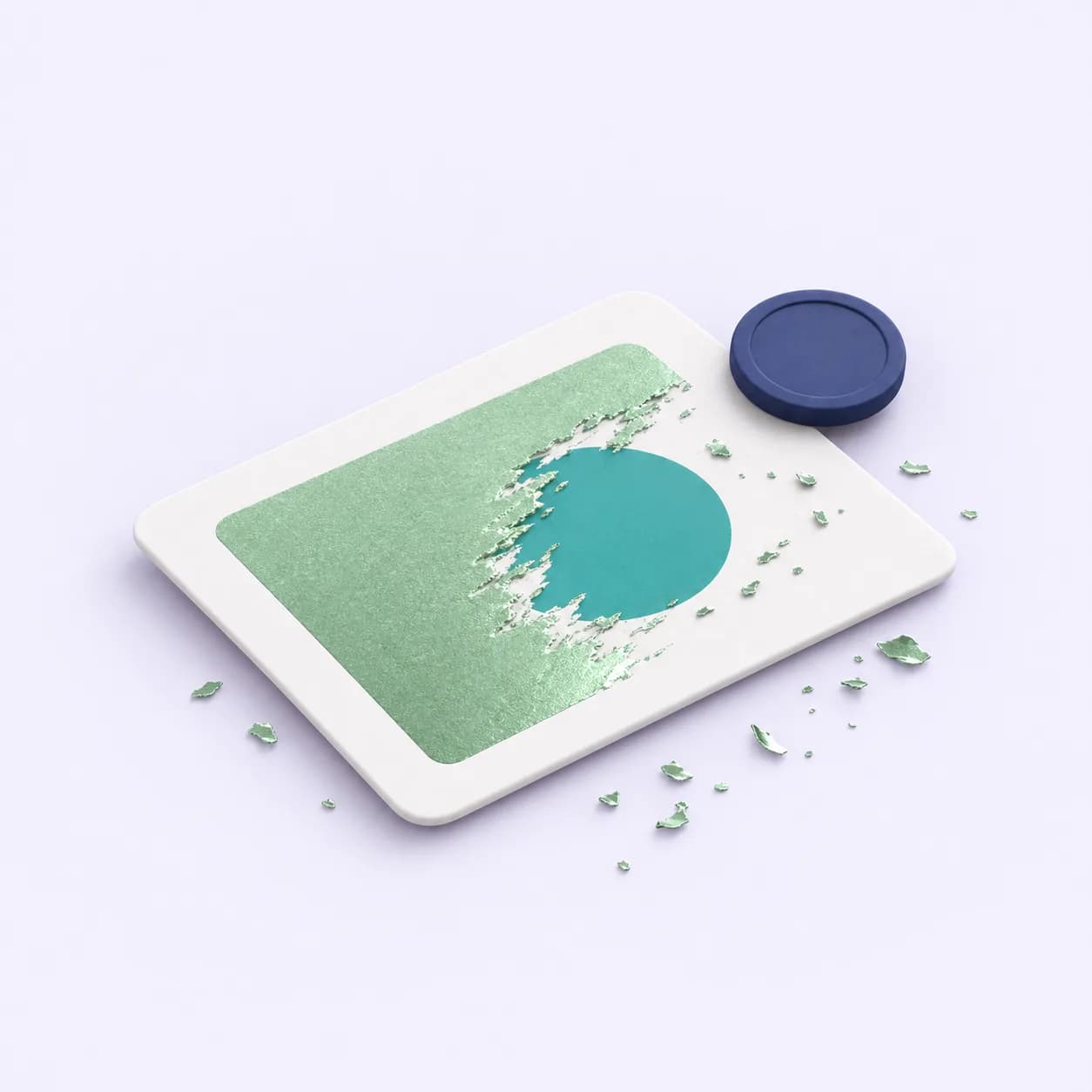
Scratch & win

A scratch card is the only promotion that people will pick up off a table without being asked. It converts far better than a plain coupon at the same average cost, because the prize table lets you run a headline that sounds bigger than the payout.

How to set it up

  • Keep the shipped prize table to start: 10% off at 30%, $5 off at 25%, free item at 15%, $10 off at 10%, 20% off at 10%, try-again at 10%.
  • Set the free item to something with a good margin — a dessert, a side, a soft drink — not an entrée.
  • Require email, make phone optional, and leave the rewards opt-in checkbox unchecked so consent is genuine.
  • Set the reward expiry to fourteen days so it drives a return visit rather than sitting in a wallet for a year.
  • Print the tabletop cards for every table plus the bar and the takeaway counter.

What to watch: Claims per hundred covers. Under three and the card is not visible enough; over fifteen and you can afford a smaller prize table.

Step 2

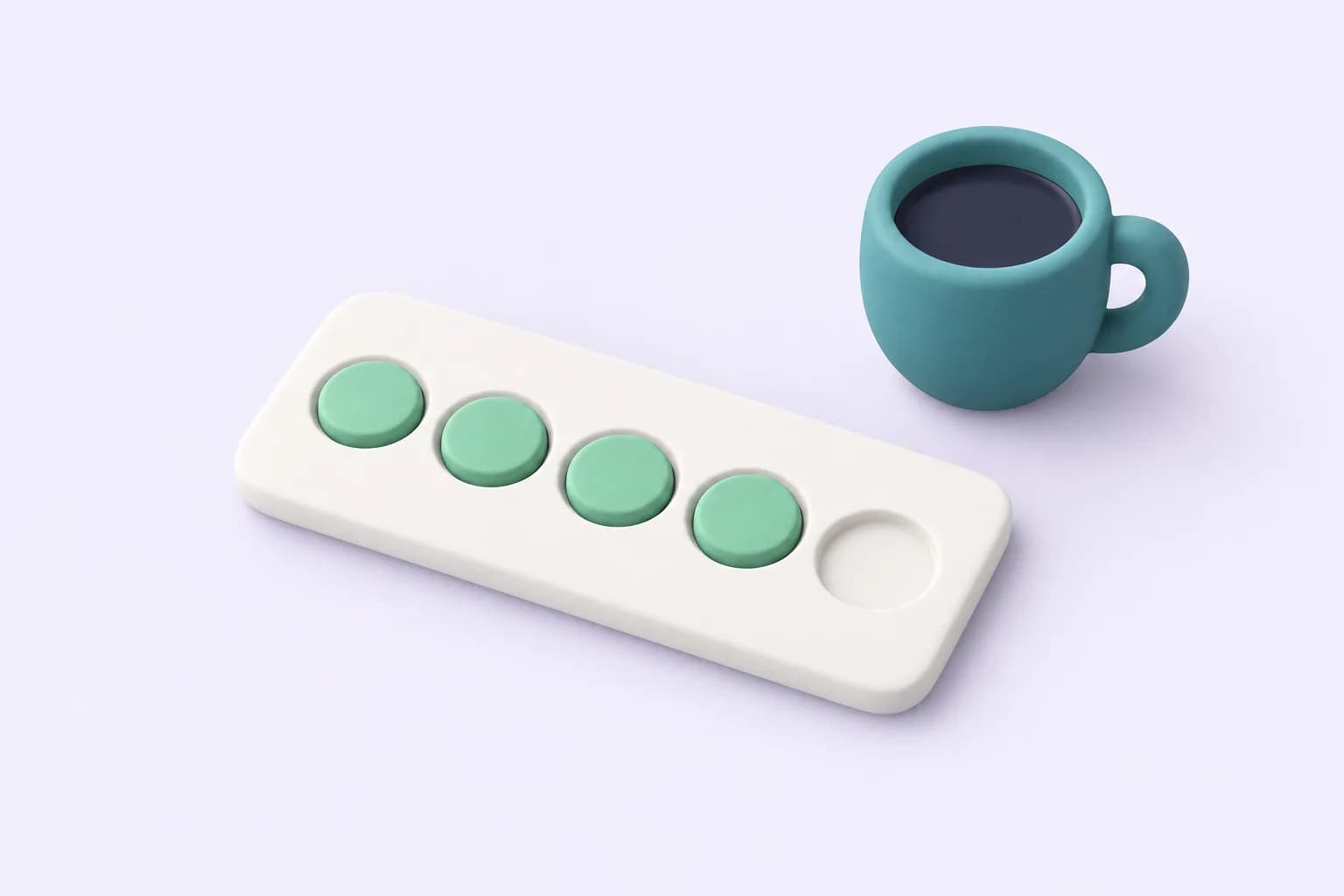
Loyalty challenge

Frequency is the single biggest driver of restaurant revenue, and a visit challenge changes it without discounting the first visit. It is also the promotion that keeps a customer in your list for months.

How to set it up

  • Set the goal one visit above your current regulars' average — five visits for a café, four for a dinner restaurant.
  • Make the reward a free item with a strong margin, not a percentage off the bill.
  • Set the minimum gap between visits to four hours so lunch and dinner on the same day cannot both count.
  • Use the stamps card style; it reads as a punch card and needs no explanation.
  • Print one counter-side card and have staff point at it when handing over the receipt.

What to watch: Average stamps per enrolled customer. If most people stop at one, the goal is too far away.

Step 3

Flash promotion

This is where the list you have built pays you back. A two-hour flash promotion sent to opted-in customers is the most direct way to fill a specific empty evening.

How to set it up

  • Set the window to the hours you actually need — 5pm to 8pm on the night itself, not a week in advance.
  • Use a hard claim limit that matches your real capacity, for example the first twenty covers.
  • Choose the digits countdown so the deadline is unambiguous.
  • Send it only to your rewards list and leave the website pop-up off, so it reads as a members' perk.
  • Keep the offer concrete: $10 off a table of two beats 15% off anything.

What to watch: Claim rate against messages sent, and how many claims actually redeem that night.

Step 4

Review video

Restaurants live and die by social proof, and a thirty-second clip of a real customer describing a dish is worth more than a shot you commissioned. The end of a good meal is the highest-goodwill moment you will ever get.

How to set it up

  • Write a specific prompt: “Which dish would you tell a friend to order?” beats “tell us what you think”.
  • Cap the video at forty-five seconds and keep auto-captioning on — most people watch social video muted.
  • Pre-fill your handle and two or three local hashtags so the customer composes nothing.
  • Leave publication consent and manual approval on, so nothing reaches your feed unreviewed.
  • Offer $15 off a future visit rather than money off the current bill, so the reward pulls them back.

What to watch: Approval rate. If you are rejecting more than a third, the prompt or the lighting guidance needs work.

Step 5

Refer-a-friend

Restaurant decisions are made in groups, so a referral link that arrives in a text thread is already in the right conversation.

How to set it up

  • Set both sides to $10 and trigger the referrer reward on the friend's redemption.
  • Cap it at five referrals per customer for the first month while you watch for abuse.
  • Write the share message in a customer's voice, not a marketer's.
  • Surface the referral link on the reward screen of your scratch campaign, where goodwill is highest.

What to watch: Referrals per claiming customer, and the redemption rate of friend-side rewards.

Launch plan

Four weeks from nothing to a list you can message

  1. Week 1

    Set up your brand page with logo, locations, hours and phone. Build the scratch-and-win campaign and print tabletop cards for every table.

  2. Week 2

    Add the loyalty visit challenge on a counter card. Brief staff on one sentence: “scan the card, it is a free item after five visits”.

  3. Week 3

    Turn on the review-video promotion on the dessert menu or the receipt, and start approving submissions daily.

  4. Week 4

    You now have a list. Send your first flash promotion to it for the quietest night of the week and measure redemption.

Avoid these

Mistakes that cost real money

  • Discounting the wrong night

    Never run a broad discount on a night you already fill. Reserve the offers for the shifts that are genuinely quiet, and keep Friday at full price.

  • Rewarding the current bill

    A discount applied to the meal in front of the customer costs you margin on a sale you already had. Make the reward redeemable on the next visit.

  • Cards nobody can see

    A card flat on a table behind the condiments does not get picked up. Use a standing tent card and put one at the bar and the takeaway counter too.

  • Asking for too much

    Every extra required field costs you claims. Email alone is enough to start; add phone only once you are ready to run SMS properly.

Restaurants & cafés FAQ

Questions from restaurants

What is the best promotion for a restaurant to start with?
Scratch and win on a tabletop card. It gets picked up without staff prompting, the prize table lets you control the average payout precisely, and every claim adds a consented customer to your list. Add a loyalty visit challenge second, once the first campaign is producing claims.
How do I get customers to actually scan a QR code at the table?
Give them a reason in four words or fewer and make the card stand up. “Scratch to win” outperforms “join our rewards program” by a wide margin because it promises something immediate. A brief mention from the server when the check lands roughly doubles scan rates.
Should restaurant coupons be dollar-off or percentage-off?
Dollar-off for anything with an average ticket under about $40, because $5 off a $22 lunch feels larger than 20% off the same bill. Percentage-off suits higher-ticket dinner service where a flat amount looks trivial against a $150 table.
How often can I text my restaurant's rewards list?
Two to four times a month is the ceiling most lists tolerate, and every message should carry a real offer rather than news. Send to smaller segments more often rather than blasting everyone, and watch the opt-out rate — a spike above one percent per send means you are sending too much.
Does running promotions attract only discount hunters?
It does if the only thing you ever send is a discount. The point of building the list is that you can eventually send a new-menu announcement, an event invitation or a members-only evening. Mix those in from the start so the list is not trained to wait for a coupon.
Can I run promotions for a restaurant with several locations?
Yes. Locations are part of your brand profile, each printed card carries its own campaign link, and reporting separates the sources, so you can see which site the claims and redemptions came from.
How do I measure whether restaurant promotions are working?
Watch three numbers: claims per hundred covers, the share of claims that are actually redeemed, and repeat visits among customers who joined the rewards list. A promotion that generates claims but no redemptions is an awareness problem, not a pricing one.

Restaurants & cafés

Put the first promotion on the table this week

The free plan covers your first hundred customers, so you can run the week-one campaign from this guide before paying anything.